บางคนไม่ได้กลัวความลำบากทางการเงิน
แต่กลัวสิ่งที่ความลำบากเคยช่วยปกป้องพวกเขาไว้ นั่นคือความไม่คุ้นเคยกับความสงบ
คุณอาจอยากมีชีวิตที่มั่นคงขึ้น และในที่สุดบางอย่างก็ดีขึ้นจริง
บิลถูกจ่ายแล้ว
เงินเก็บเริ่มเพิ่มขึ้น
รายได้เริ่มนิ่งขึ้น
หนี้ลดลง
เดือนนี้ไม่มีเรื่องฉุกเฉิน
และชีวิตเงียบกว่าที่เคย
แต่แทนที่จะรู้สึกโล่งใจ คุณกลับรู้สึกระแวง
ในใจอาจมีคำถามเงียบ ๆ ว่า:
ถ้าความสงบนี้อยู่ได้ไม่นานล่ะ?
คำถามนี้ส่งผลต่อพฤติกรรมทางการเงินมากกว่าที่หลายคนรู้ตัว มันอาจทำให้คุณเช็กบัญชีซ้ำ ๆ ไม่ไว้ใจเดือนที่ดี ระแวงหลังจากมีความก้าวหน้า เตรียมตัวมากเกินไป รู้สึกผิดเวลาพัก หรือมองความสงบเหมือนเป็นเพียงช่วงเงียบก่อนที่ปัญหาจะเกิดขึ้นอีกครั้ง
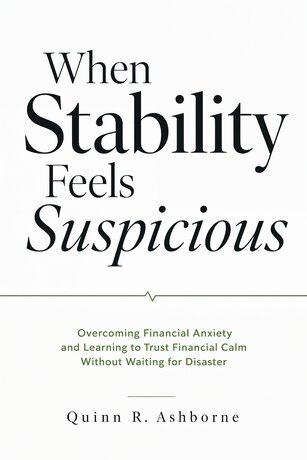
When Stability Feels Suspicious ไม่ใช่หนังสือที่บอกให้คุณมองโลกสวย ไม่ใช่หนังสือที่บอกให้ละเลยความเสี่ยง และไม่ใช่หนังสือที่บอกว่าปัญหาเรื่องเงินไม่มีจริง
แต่นี่คือหนังสือว่าด้วยจิตวิทยาของความสงบทางการเงิน
หนังสือเล่มนี้อธิบายว่าทำไมคนที่รับผิดชอบ มีวินัย และพยายามปรับชีวิตให้ดีขึ้นแล้ว ถึงยังรู้สึกผ่อนคลายไม่ได้ ทำไมความมั่นคงอาจรู้สึกไม่น่าเชื่อเท่าความเครียด และทำไมใจของเรายังอาจมองหาอันตรายอยู่ แม้สถานการณ์ภายนอกจะดีขึ้นแล้วก็ตาม
ภายในเล่มนี้ คุณจะได้สำรวจว่า:
ทำไมความสงบทางการเงินจึงอาจรู้สึกน่าสงสัย เมื่อความไม่มั่นคงเคยเป็นเรื่องปกติ
ทำไมบิลที่จ่ายแล้วอาจทำให้โล่งใจในทางตัวเลข แต่ร่างกายยังรู้สึกตึงเครียด
ทำไมเงินเก็บที่เพิ่มขึ้นอาจยังไม่ทำให้คุณรู้สึกปลอดภัยในทันที
ทำไมเดือนที่ดีอาจทำให้คุณกังวล แทนที่จะทำให้คุณเฉลิมฉลอง
ทำไมการเช็กบัญชีตลอดเวลาอาจไม่ได้สร้างความปลอดภัยมากขึ้น แต่อาจสร้างความรู้สึกเหมือนภัยกำลังจะมา
ทำไมการเตรียมพร้อมอาจกลายเป็นความตื่นตระหนก เมื่อความกังวลกลายเป็นหลักฐานว่าคุณเป็นคนรับผิดชอบ
ทำไมความมั่นคงอาจรู้สึกเหมือนการทรยศต่อครอบครัว อดีต หรือชีวิตที่คุณเคยผ่านมา
ทำไมความสม่ำเสมอที่ดูธรรมดาและน่าเบื่อ อาจเป็นพื้นที่ที่ความมั่นคงทางการเงินจริง ๆ กำลังก่อตัว
และทำไมความสงบไม่จำเป็นต้องพิสูจน์ว่าจะอยู่ถาวร ก่อนที่คุณจะยอมรับว่ามันเป็นเรื่องจริง
ด้วยน้ำเสียงที่ลึกซึ้ง อ่อนโยน ชัดเจน และเข้าใจง่าย หนังสือเล่มนี้จะช่วยให้คุณแยกแยะระหว่างการเตรียมตัวอย่างฉลาด กับความตื่นกลัวที่รับมาจากอดีต ช่วยให้คุณยอมรับความก้าวหน้าโดยไม่รีบระแวงมัน และสร้างความสัมพันธ์ที่สงบขึ้นกับเงิน ความปลอดภัย เงินเก็บ และคำว่า "พอ"
ผลลัพธ์ไม่ใช่การปฏิเสธความจริง ไม่ใช่ความประมาท และไม่ใช่คำพูดสวย ๆ แบบ abundance ที่ลอย ๆ
แต่คือความสัมพันธ์กับความมั่นคงทางการเงินที่เป็นผู้ใหญ่มากขึ้น ความสัมพันธ์ที่มีทั้งการไตร่ตรอง ความไว้ใจตัวเอง ความปลอดภัยทางอารมณ์ และความสามารถในการปกป้องอนาคตโดยไม่ต้องใช้ชีวิตเหมือนภัยพิบัติกำลังเกิดขึ้นอยู่ตลอดเวลา
ถ้าคุณรู้วิธีเอาตัวรอดจากความกดดันเรื่องเงิน
แต่ยังไม่รู้วิธีไว้วางใจความสงบทางการเงิน
หนังสือเล่มนี้เขียนขึ้นเพื่อคุณ
Some people do not fear financial struggle. They fear what struggle has been protecting them from: the unfamiliar vulnerability of calm.
You can want stability—and still feel uneasy the moment it begins to arrive. A paid bill, a growing savings account, a quiet month, a steadier paycheck, or a weekend without crisis can trigger the same private discomfort:
What if this calm does not last?
That question quietly shapes far more financial behavior than most people realize. It drives overchecking accounts, mistrusting good months, bracing after progress, delaying joy, overpreparing, refusing to feel safe with savings, and the habit of treating peace as the pause before disaster.
When Stability Feels Suspicious is not a book about ignoring risk, pretending money problems are not real, or forcing shallow positivity over financial anxiety. It is a book about the psychology of financial calm. It reveals why self-aware, responsible readers can improve their financial lives and still feel unable to relax, why stability may feel less believable than stress, and why the nervous system can keep searching for danger long after the external emergency has passed.
Inside, you will explore why:
Financial calm can feel suspicious when instability once felt normal.
A paid bill may bring relief on paper but tension in the body.
Savings can grow without immediately feeling safe.
Good months can trigger anxiety instead of celebration.
Constant checking can recreate the feeling of danger instead of creating more safety.
Preparedness can quietly turn into panic when worry becomes the proof of responsibility.
Stability can feel like a betrayal when crisis has been tied to family, identity, or belonging.
Slow, boring consistency is often where real financial security is being built.
Peace is allowed to be real before it is proven permanent.
With reflective, psychologically precise, and emotionally grounded prose, this book helps readers separate wise preparedness from inherited alarm, let progress register without immediately distrusting it, and build a calmer relationship with money, safety, savings, and enoughness.
The result is not denial, carelessness, or fantasy-based abundance language. It is a more mature relationship with financial stability—one rooted in discernment, self-trust, emotional safety, and the ability to protect the future without living as if disaster is already present.
If you know how to survive financial pressure but do not yet know how to trust financial calm, this book was written for you.
วันที่วางขาย
07 พฤษภาคม 2569
ราคาปก
599 บาท (ประหยัด 70%)


 Facebook
 Twitter

 LINE
LINE


